What Is The Best Month For Sunset Cruises?
Month by month advice for picking the best time to take a sunset cruise in Aruba, covering sunset times, trade winds, rain and booking windows.
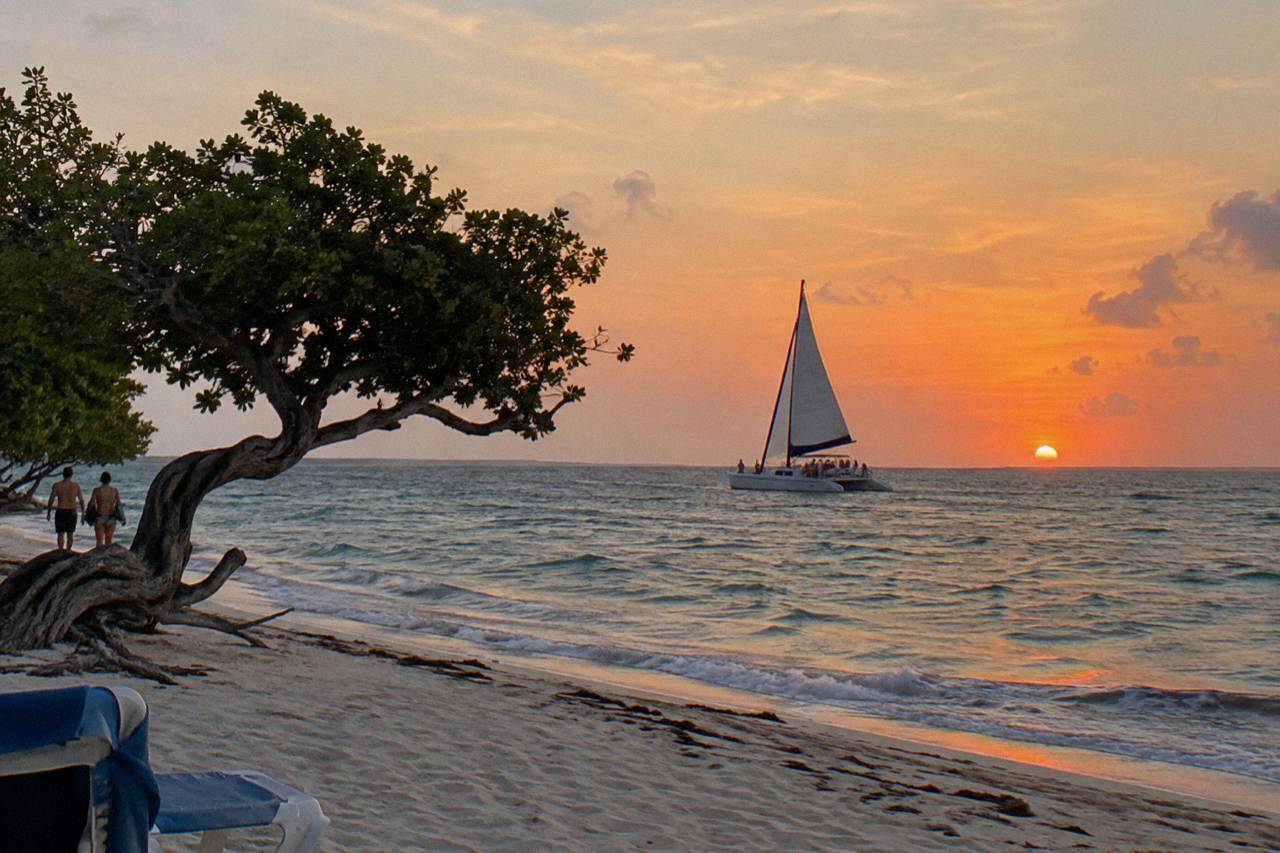
The honest answer is that March and April are the strongest months for a sunset cruise in Aruba: sunset still falls near its yearly latest at around 6:50 to 6:52 pm, rain is at its yearly minimum with roughly 1.5 to 2 rainy days a month, and the trade winds are near their strongest, which keeps the sailing lively and the deck cool. February through early May is the sweet spot overall. Curious how the rest of the year compares, the month-by-month rainy season guide shows exactly when the showers start to pick up.
Aruba sits far enough south that its sunset clock barely moves compared with northern latitudes, but it does move, by about 58 minutes across the year, and that spread changes what an evening on the water feels like. In midsummer the boat leaves the pier in full daylight and the sky is still glowing past 7 pm. In November you are watching the sun touch the sea barely an hour after many cruises cast off. Neither is wrong; they are different products wearing the same name.
The other half of the question is weather and wind, and here Aruba is unusually cooperative. The island is classified as hot semi-arid, receiving about 500 mm of rain a year, and the east-northeast trade winds blow all year round. The rainy tail of the year, October through December, still averages only 7 to 11 days with measurable rain per month. That makes "bad month" a relative term on this island.
There is a third axis that guidebooks tend to skip: the sun sets over the sea on Aruba's leeward coast, which is why the island's sunset cruise culture clusters on the Palm Beach and Oranjestad piers rather than being spread around the coastline. Every month delivers an over-water sunset from those departure points, so the calendar mostly decides the quality of the light, the feel of the wind and how far ahead you need to book, not whether the show happens.
This article walks through the year month by month: when sunset is latest, when the wind is strongest and lightest, when rain is most likely, and how those factors map onto the cruises covered on Aruba Sunset Cruises, from the bare-bones shared sails near $50 to the lobster dinner cruises.
How Sunset Times Shift Through The Year
Aruba's sunset ranges from about 6:11 pm in mid-November to about 7:09 pm in mid-July, a spread of roughly 58 minutes. Mid-March sits at 6:50 pm, mid-May at 6:57 pm and mid-October at 6:21 pm, so a cruise boarded at 5:30 pm can set off in bright sun or fading dusk depending only on the calendar.
Aruba keeps UTC-4 all year with no daylight saving, so the times below stay put once you learn them. On the 15th of each month, sunset in 2026 reads: January 6:33 pm, February 6:46, March 6:50, April 6:52, May 6:57, June 7:06, July 7:09, August 7:00, September 6:41, October 6:21, November 6:11 and December 6:17 pm. Treat these as "around" values for other days of the month; the drift day to day is a minute or less, but it accumulates.
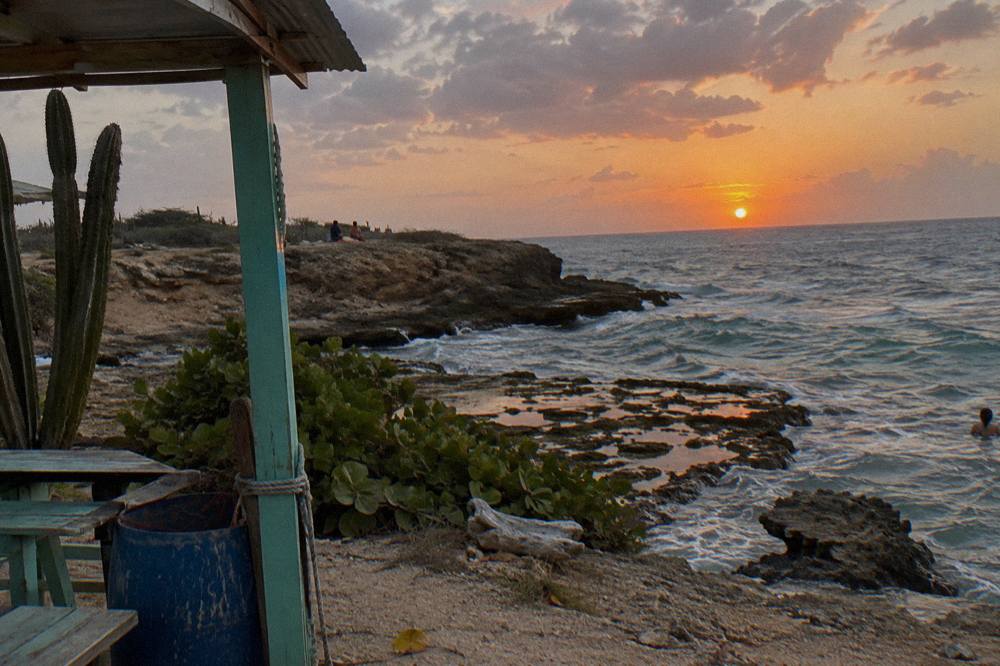
What that means practically depends on the cruise. Most shared sails on this site run about two hours and board in the 5:30 pm window, so a July sailing gives you a long golden approach before the sun dips, while a November sailing is already deep into the colour show when the boat clears the pier. Photographers who want maximum glow-on-water time lean summer. Travellers who want to be back at the hotel restaurant by 7:30 lean late autumn.
There is also a subtler effect worth knowing. In the late-autumn months the sun drops into the sea sooner after boarding, which means the second half of the cruise happens under stars and running lights, with the coast glowing on one side. Some guests prefer that version: the boat is quieter, the drinks flow in the dark, and the sail home feels more like a night cruise. In summer the same cruise is a full daylight-to-dusk arc, with the best colour arriving only in the final half hour.
The deeper dive into the month by month clock lives in the site's Aruba sunset time by month guide, which pairs these astronomical times with pier departure patterns. One planning note worth repeating: book the cruise for early in your trip, not your last night, so a rare weather cancellation leaves room to rebook.
Weather, Trade Winds And Sea Conditions By Month
June is the windiest month on average and October through November the lightest, based on long-run wind records for the island, while rain bottoms out in March and April and peaks in November at about 87 mm across roughly 9.6 rainy days. Aruba lies outside the hurricane belt, with no direct hurricane hit since 1851, though June through November is formally hurricane season and conditions can shift.
The trade-wind numbers tell a clear story. Monthly mean wind speeds measured at the airport run from 5.8 metres per second in October and November up to 8.7 in June, averaging 7.3 for the year, which converts to about 14 knots. What that means on deck: a June or July sail will feel brisk, with spray and whitecaps offshore, while an October sail is often glassier and hotter, and the crew's shade and cold drinks matter more.
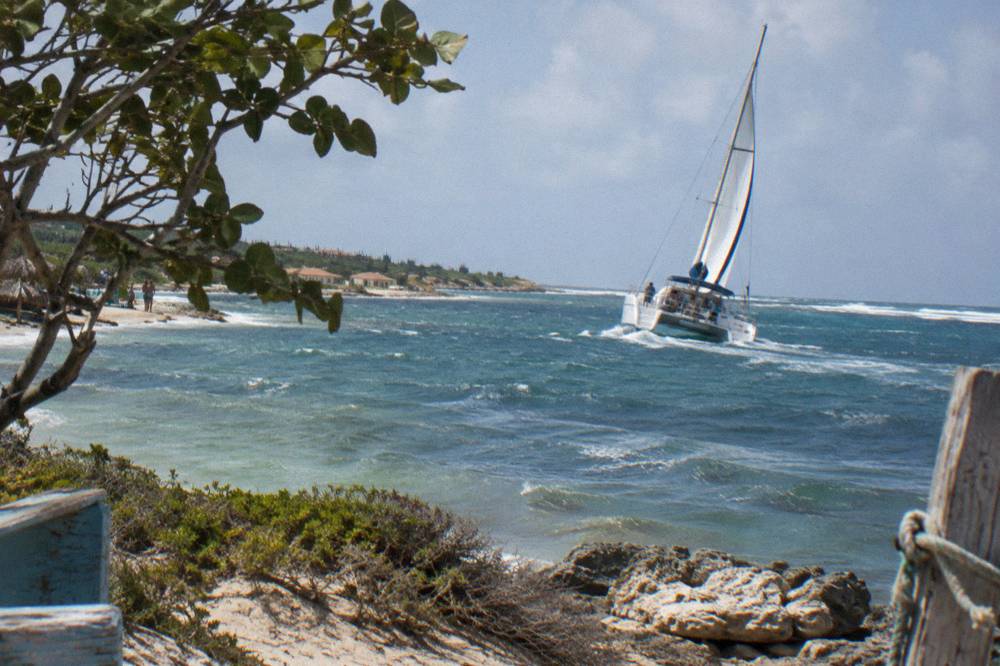
Rain follows the opposite rhythm. Monthly normals for Oranjestad show March at 10 mm and April at 8.6 mm, against October at 76.5 mm, November at 87.1 mm and December at 80.1 mm. Even the wettest months average well under half the days with rain, and a passing shower at sunset on this coast is usually brief. The marine picture is published daily by the Aruba meteorological department's marine forecast, worth a look the day you sail, and small-craft advisories do occasionally happen when tropical waves pass.
Hurricane season runs 1 June to 30 November, and the Aruba Tourism Authority notes the island sits outside the main belt, with the historical record showing no direct hit since 1851 and the closest recent brushes, Ivan in 2004 and Felix in 2007, passing by with rough seas rather than landfall. The practical takeaway for cruisers is simple: the odds strongly favour you, but book with free cancellation listed when you can, and check your ship's all-aboard time if you are arriving by sea. More on wind, rain and rebooking lives in the rain and trade winds planning guide.
Wondering which evening to lock in for your month?
Free cancellation is listed on that Octopus sail, so a weather wobble does not trap your money.
Prices And Booking Windows
Two-hour shared sunset sails listed here run from $50 to $125 per person, and dinner cruises from $109 to $180. Book early in your stay on a listing with free cancellation, so a weather cancellation still leaves room to rebook before you fly home.
Cruise pricing on Aruba sits in fairly tight bands because these are short, fixed-format products: shared two-hour sails run from $50 to $125 per person, with catamaran sails from $50 to $114, snorkel combinations from $69, and dinner cruises from $109. These are the listed from-prices on each live booking page, so confirm current fares before reserving. One example is the Octopus Happy Hour sail, a 40-foot trimaran carrying up to 34 guests, rated 4.7 from 1,880 reviews, from $89.99 per person.
The smallest vessels on this site, such as the Coral Ocean Aruba turtle snorkel run, carry up to 12 guests, while the big Palm Beach catamarans carry 75 to 80 guests.
One structural tip: cruises departing the Palm Beach and Noord piers are a short walk or bus ride from the high-rise hotels, while the Spronk snorkel-and-BBQ sails leave from Renaissance Marina in Oranjestad, closer to the cruise terminal and the low-rise side. Matching departure pier to where you sleep saves more evening stress than any calendar choice. The site's guide to getting to the cruise from Eagle and Palm Beach maps the routes.
Pelican Adventures' 2-Hour Sunset Cruise with Open Bar & Snacks, 4.6 from 96 reviews and from $82 per person, is a compact, fixed-format evening that works identically in March sunshine or November dusk, with free cancellation listed and hors d'oeuvres and an unlimited open bar included.
Which Month Fits Which Traveller
Families with school-age children should target June or July for the 7 pm sunsets, and anyone chasing the longest golden approach wants July, when sunset sits at its yearly latest around 7:09 pm and the two-hour sails spend their whole run in daylight turning to colour.
The matrix below compresses the year into planning shorthand, combining the sunset clock, the wind records and the rainfall normals already discussed. No month is a bad month; each simply trades one advantage against another.
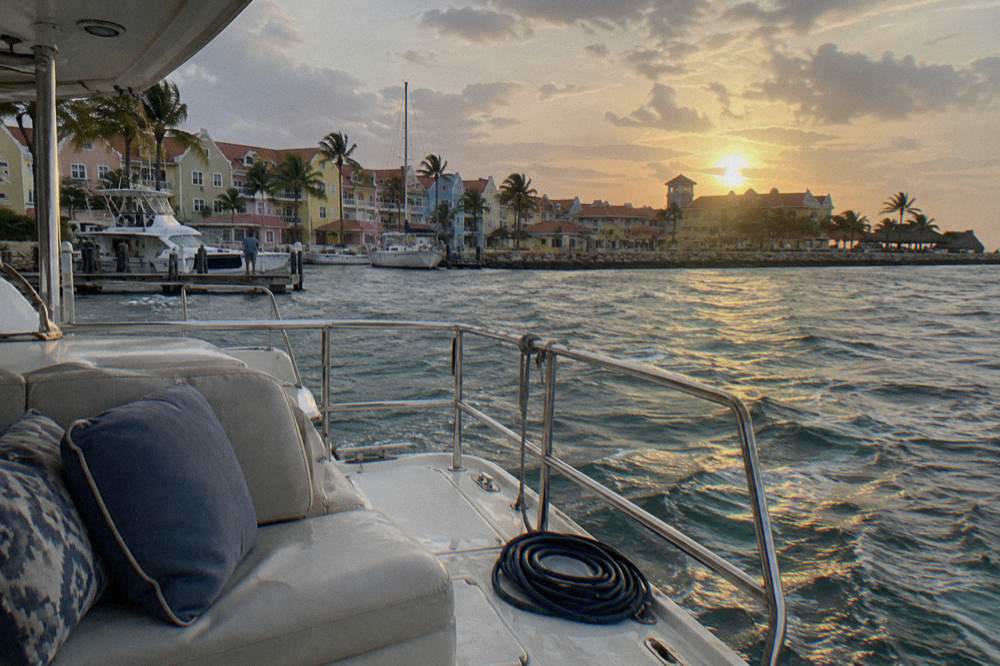
| Months | Sunset (15th) | Wind | Rain risk | Best for |
|---|---|---|---|---|
| Jan to Feb | 6:33 to 6:46 pm | Moderate to strong | Low | Breezy, low rain, sunsets 6:33-6:46 pm |
| Mar to Apr | 6:50 to 6:52 pm | Strong | Lowest of the year | The overall sweet spot |
| May to Jun | 6:57 to 7:06 pm | Strongest (June) | Low | Photographers, lively sailing |
| Jul to Aug | 7:09 to 7:00 pm | Strong | Low to moderate | Families, latest sunsets |
| Sep to Oct | 6:41 to 6:21 pm | Easing | Moderate | Early sunsets, easing wind, some rain |
| Nov to Dec | 6:11 to 6:17 pm | Lightest | Highest (still modest) | Earliest shows, holiday-season colour |
Two footnotes to the table. First, the "rain risk" column is relative, and showers here often pass in minutes. Second, the lightest-wind months are also the warmest on deck, so an October sailing trades breeze for heat, and a boat with shade and a swim stop earns its keep.
A note on travelling with children: the calendar matters more than the listing. Ages and family-friendliness vary by operator, and a summer sailing with sunset past 7 pm means younger passengers see the whole show before reasonable bedtimes, while a November cruise finishes its colour segment closer to 6:15 pm. Check each listing's own age policy before booking; the operators set their own rules.
If your month turns out to be whichever week the plane tickets were cheapest, the shorter, cheaper sails are the safest default. The Banana Adventure Catamaran Tropical Sunset Sail from Segway Aruba, 4.8 from 141 reviews and from $50 per person with one-way pickup to the boat listed, is the lowest entry price on the site and a low-commitment way to test how your group handles an evening at sea.
Month By Month, The Short Version
Pick March or April for the best all-round balance of late sunsets, minimal rain and steady wind; pick July for the latest sunset and the longest golden hour; and pick November only if an early, dramatic dusk with the shortest days suits you, since the sun sets closest to 6:11 pm then.
A closing thought on the format itself. Whatever the month, the two-hour shared sail remains the island's default evening out, and the most-reviewed listing on this site is exactly that: the Red Sail Sports catamaran sail with appetizers and open bar, from $92 per person, 4.5 from 2,406 reviews, departing Piet's Pier Bar on Palm Beach. Its sister format, the longer snorkel-and-dinner combinations, earns its higher price more in some months than others: a turtle-and-shipwreck stop is better in the calm September-to-November seas, while in the brisk June wind a simple cocktail sail often makes for a happier evening than four hours on open water.
One last scheduling habit worth building, whichever month you choose. Aruba's evening cruises cluster in a narrow boarding window, so a late bus, a long dinner or a beach that is hard to leave can cost you the whole outing. Plan to be at the pier with time to spare, treat the cruise as the evening's main event rather than an add-on, and keep one backup evening free later in the week. Travellers who do this rarely regret the month they picked, because the month was never really the variable that made or broke the night.
Whatever month you settle on, the trio below spans the three main ways to spend it: a straightforward open-bar catamaran evening, the most-reviewed appetizer sail, and a half-day snorkel-and-BBQ combination for a bigger night out.
Common Questions About The Best Month For Sunset Cruises
What Is The Best Month For Sunset Cruises?
March and April offer the best all-round conditions: sunset still near its latest at 6:50 to 6:52 pm, the lowest rainfall of the year at 1.5 to 2 rainy days a month, and steady trade winds. July is best for the latest sunset, around 7:09 pm.
What Month Has The Latest Sunset In Aruba?
Mid-July, at about 7:09 pm. Sunset stays past 7 pm through June, July and much of August, which gives two-hour sails the longest run of daylight-to-golden-hour sailing.
Is Hurricane Season A Bad Time For A Sunset Cruise?
Not usually. Aruba sits outside the hurricane belt and has recorded no direct hurricane hit since 1851. The season runs 1 June to 30 November and can bring gusty winds, rain or flat calm, so book listings with free cancellation and schedule the cruise early in your stay.
Do Sunset Cruise Prices Change By Month In Aruba?
Each listing shows its own from-price on the live booking page. The shared two-hour sails covered here start from $50 to $125 per person.
Which Month Is The Rainiest For Aruba Cruises?
November, averaging about 87 mm of rain and 9.6 days with measurable rain, followed closely by December and October. Even so, that is modest by tropical standards, and showers are frequently brief.